Written By Sahara Brahmia
The week 4 lecture explains how texture, repetition and interruption can shape a more traditional musical form (Macabra, 2026). By reading fragments of Assimilate: A Critical History of Industrial Music, I noticed from Mallinder’s (2013) account of how life in Sheffield, back in the early 1980s, was influencing the sounds of local musicians. I now wonder how different people, from different realities can brings diverse meanings to industrial music. And how a movement’s identity is shaped by time and place.
I began to question what happen when you stripped a sound of its meaning? An ethereal and clean vocal perhaps, or the melody of a national anthem, by reshaping it or even destroying it and giving a completely different meaning to it. We see this with Throbbing Gristle and Cabaret Voltaire, used tape in different ways, to turn what was a familiar sound, into something that feels unfamiliar. Heetderks (2014, para. 8) discussed the wider use of tape music.
We see Throbbing Gristle chopping spoken words and combining them together as a collage. While listening to ‘Splitting Sky’(Throbbing Gristle, 2004), I noticed how words are repeated and heavily processed, acquiring a new dense and thicker texture.
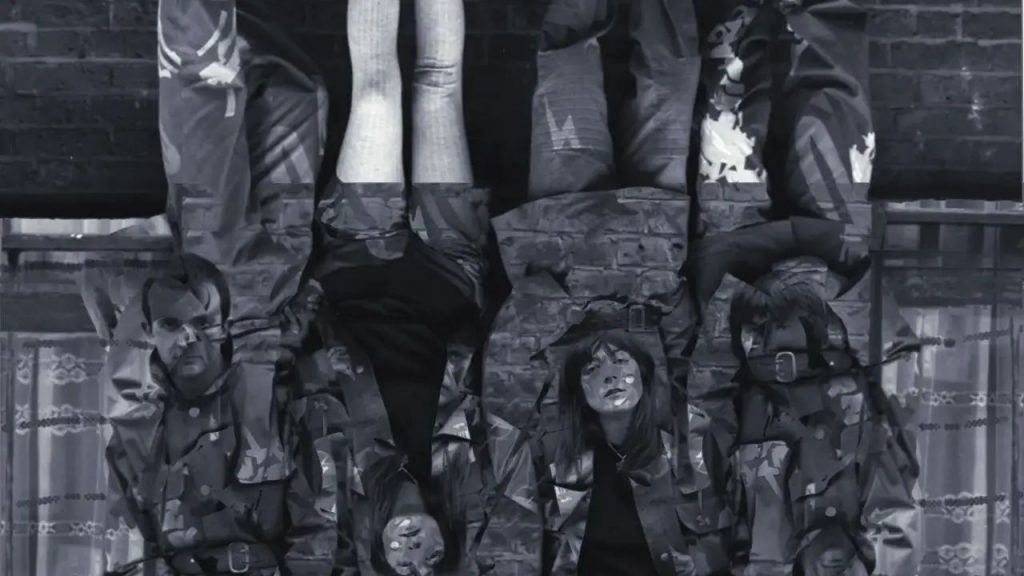
Meanwhile, Cabaret Voltaire turned everyday sounds, such as broadcast or radio recordings, into something that feels unshaven and unsettling, with irregular-flow. Morley (1980) describes The Voice of America as ‘moving and discomforting’. In the opening of the first track of ‘The Voice of America/Damage is Done‘ (Cabaret Voltaire, 1980), they used as sample a recording of a police man. At that time, as I was listening to the track, I noticed how this very ordinary sample, was building tension before the hypnotic and repetitive rhythm set in. For me, the most relevant aspect is how industrial music can provoke a reaction even when I find it uncomfortable to my ears, and I now think that is the core point of what makes the movement so controversial.
Having read about industrial music and listened to these tracks, I now feel I can better translate how I use some of the same technique, such as chopping recorded words, in some of my own music. In 2020, during the first lockdown, I as browsing vintage recordings to use them a sample and came up with ‘Moonlight PM’ (Brahmia, 1956), I chopped up several vocal recordings and rearranged them in the track. One of the samples came from ‘I Put a Spell on You’ by Screamin’ Jay Hawkins (Hawkins, 1956). I was inspired by the grainy sound from1920s. I used EQ to bring out the midrange of the chopped vocal samples, which had already a grainy sound, supported by a layer of vinyl noise. Because I was looking to add a contrast to the tense track, and distortion, I wanted to soften it up with some more delicate vocals. To fit them with the vintage vibe I was going for, I shaped their tone with EG, added some grit with overdrive and used compression to even out their level.
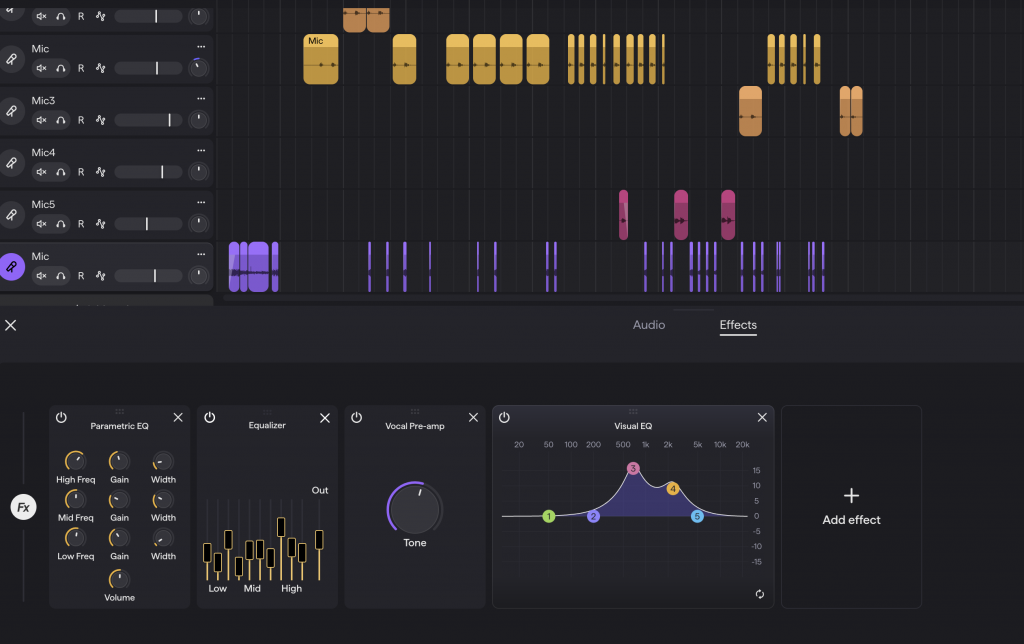
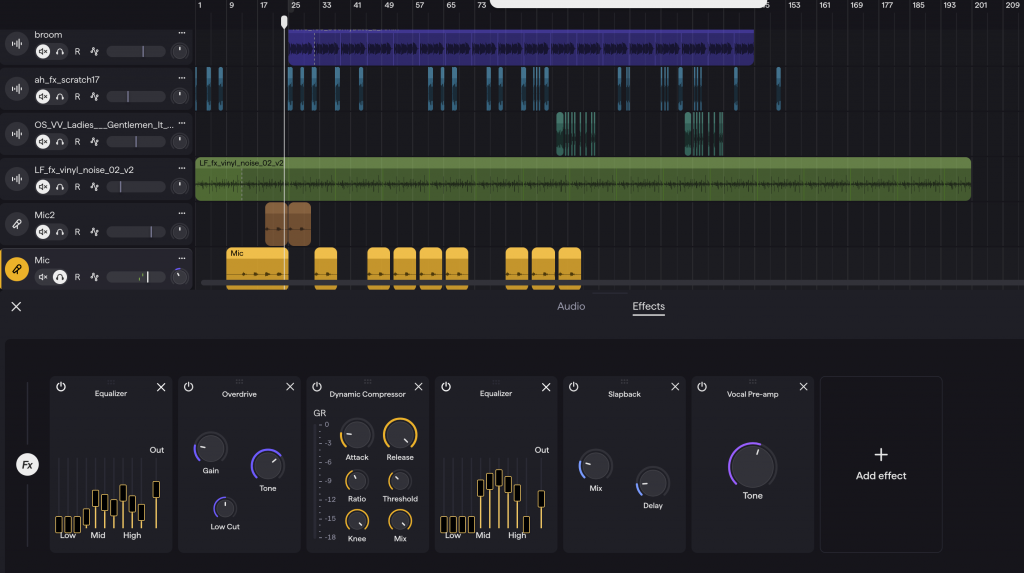
Reading about industrial music helped me translate into words something I was already doing in 2020 with several of my unreleased tracks. I now wonder how far you can get by composing an entire track with chopped recordings without erasing its melodic essence.
References
References
Brahmia, S. (2020) ‘Moonlight PM’ [sound recording]. SoundCloud. Available at: https://soundcloud.com/saharabrahmia/moonlight-pm.
Cabaret Voltaire (1980) ‘The Voice of America/Damage Is Done’, The Voice of America [sound recording]. Rough Trade. Available at: https://cabaretvoltaire.bandcamp.com/track/the-voice-of-america-damage-is-done.
Hawkins, S.J. (1956) ‘I Put a Spell on You’ [sound recording]. Okeh Records. Available at: https://www.youtube.com/watch?v=82cdnAUvsw8.
Heetderks, D. (2014) ‘Review of S. Alexander Reed, Assimilate: A Critical History of Industrial Music (Oxford, 2013)’, Music Theory Online, 20(2). Available at: https://www.mtosmt.org/issues/mto.14.20.2/mto.14.20.2.heetderks.php (Accessed: 22 November 2026).
Macabra, J. (2026) ‘Week 4: Production Aesthetics 2’, Introduction to Music Production [lecture outline]. University of the Arts London, Week 4.
Mallinder, S. (2013) ‘Foreword’, in Reed, S.A., Assimilate: A Critical History of Industrial Music. Oxford University Press. Available at: https://academic.oup.com/book/12082/chapter-abstract/161434603.
Morley, P. (1980) ‘The Heart and Soul of Cabaret Voltaire’, NME, 29 November. Available at: https://www.brainwashed.com/common/htdocs/publications/cv-nme_19801129.php?site=cv (Accessed: 22 November 2026).
Throbbing Gristle (2004) ‘Splitting Sky’, A Souvenir of Camber Sands [live sound recording]. Available at: https://throbbinggristle.bandcamp.com/album/a-souvenir-of-camber-sands. throbbinggristle.bandcamp.com
Throbbing Gristle, Beck Road, Hackney (1980) [photograph]. In The Ballad of Genesis and Lady Jaye [press kit]. Available at: https://medias.unifrance.org/medias/40/245/62760/presse/the-ballad-of-genesis-and-lady-jaye-presskit-english.pdf.
Leave a Reply